This article provides a simple guide to the best practice methods for fitting insulation boards, such as Kooltherm K103 Floorboard, into a suspended timber floor.
What is a suspended timber floor?
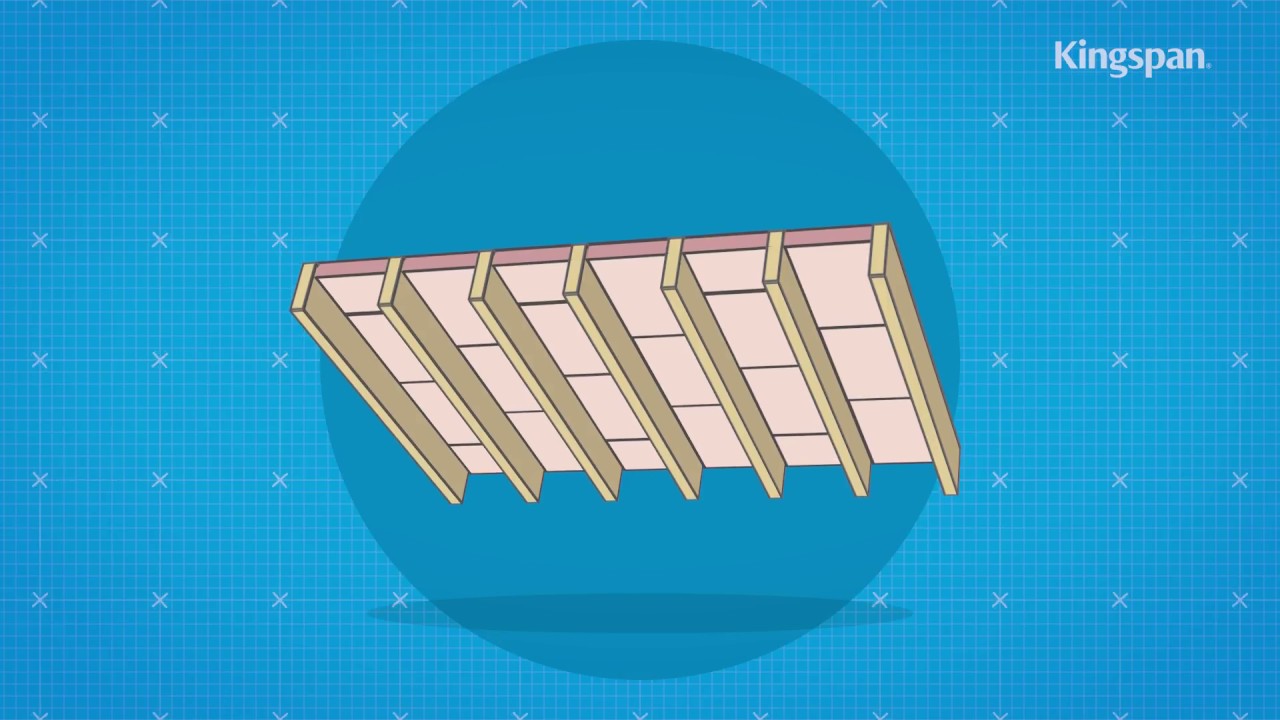
- A floor where the timber floorboards are attached to floor joists and the insulation suspended on timber battens between the joists
- Suitable for both new build and refurbishment projects
U-value/thickness of insulation
First you will need to work out what U-value you are looking to achieve or if space is an issue, what thickness of material you can fit in.
To see what U-value you should be aiming for, have a look at our Building Regulations / Standards page. You can use our U-value Calculator to work out the thickness to achieve your U-value.
Next onto the installation. There are two main methods, depending on if you have access above the floor joists, or below the floor joists.
Installation from above the floor joists
- The insulation boards should be installed before you start boarding the floor.
- Cut the insulation boards so that they fit snugly between the floor joists. Measure the distance between the joists prior to cutting the boards as the spacings can vary.
- To make sure the insulation boards are flush with the top surface of the joists, they should be supported on a minimum of 25 mm x 25 mm treated softwood timber battens, proprietary galvanised steel saddle clips or galvanised nails partially driven into the side of the joists.
- If you are using battens or nails, they should be placed at an appropriate height to suit the thickness of the board being fitted and nails should remain 40 mm proud of the joist.
- The insulation boards should then be fitted between the joists so that they are supported by the battens/saddle clips or nails.


Installation from below the floor joists
- The floorboards should be fixed over joists before you fit the insulation boards from below.
- The insulation boards should be cut to fit snugly between the floor joists. Measure the distance between the joists prior to cutting the boards as the spacings can vary.
- Push the cut insulation boards between the joists so they are flush with the underside of the floorboards.
- Side–nail 25 mm x 25 mm timber battens to the joists or partially drive galvanised nails into the side of the joists in the appropriate position to hold the boards in place.


All methods of installation
If you are fitting two layers of insulation, make sure that they are horizontally offset relative to each other, so that (as far as possible) the board joints in the two layers are not in the same place.
All board joints should be tightly butted.
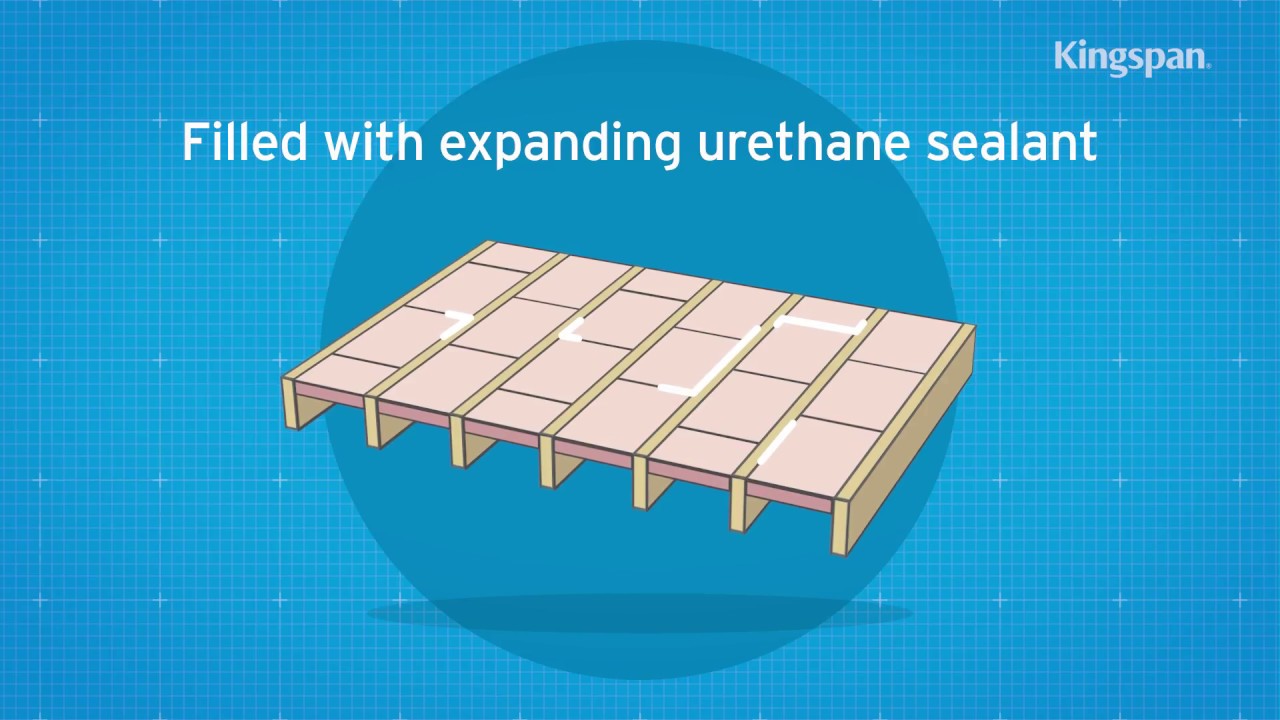
Make sure that insulation boards are fitted tightly between joists and any gaps are filled with expanding urethane sealant.
Any narrow gaps between a joist and perimeter wall should be insulated by specially cut pieces of board which in turn should be supported on blocks nailed to the underside of the joists. Gaps less than 25 mm wide should be filled with expanding urethane sealant. There should be no gaps greater than 50 mm.