1. Home
  2. What is the Difference Between a 'Breather Membrane' and a 'VCL' (Vapour Control Layer)?

What is the Difference Between a 'Breather Membrane' and a 'VCL' (Vapour Control Layer)?

  • Sector
  • Construction
  • Date Published
  • last Updated
  • Products
  • nilvent

We often notice people using the terms ‘breather membrane’ and ‘vapour control layer' or 'VCL’ interchangeably, particularly with regard to pitched roofs. Whilst they have a similar purpose, there are a couple of important differences between the two.

Why do we need either?

We need both to prevent condensation, which can cause a number of problems, including:

  • Structural damage due to rotting timber, whether this is a timber frame, joists or rafters
  • Insulation loses its thermal performance due to having absorbed the moisture
  • Mould, not only looks unsightly but can also lead to respiratory problems

To prevent condensation, a method by which to release water vapour from the inside of a building is needed. Traditionally this has been done through ventilation; for example, by ventilating the space between the insulation and the slate or tile on a pitched roof. However, studies have shown that ventilation directly above an insulation layer can reduce its thermal efficiency, which means more and more people are opting for an unventilated roof.
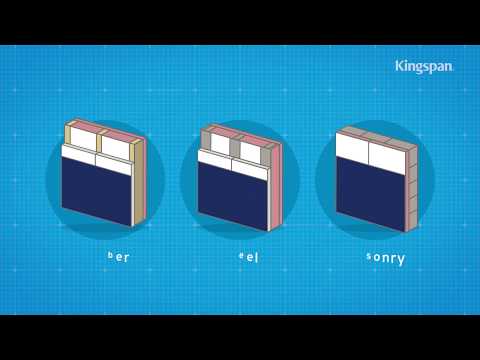
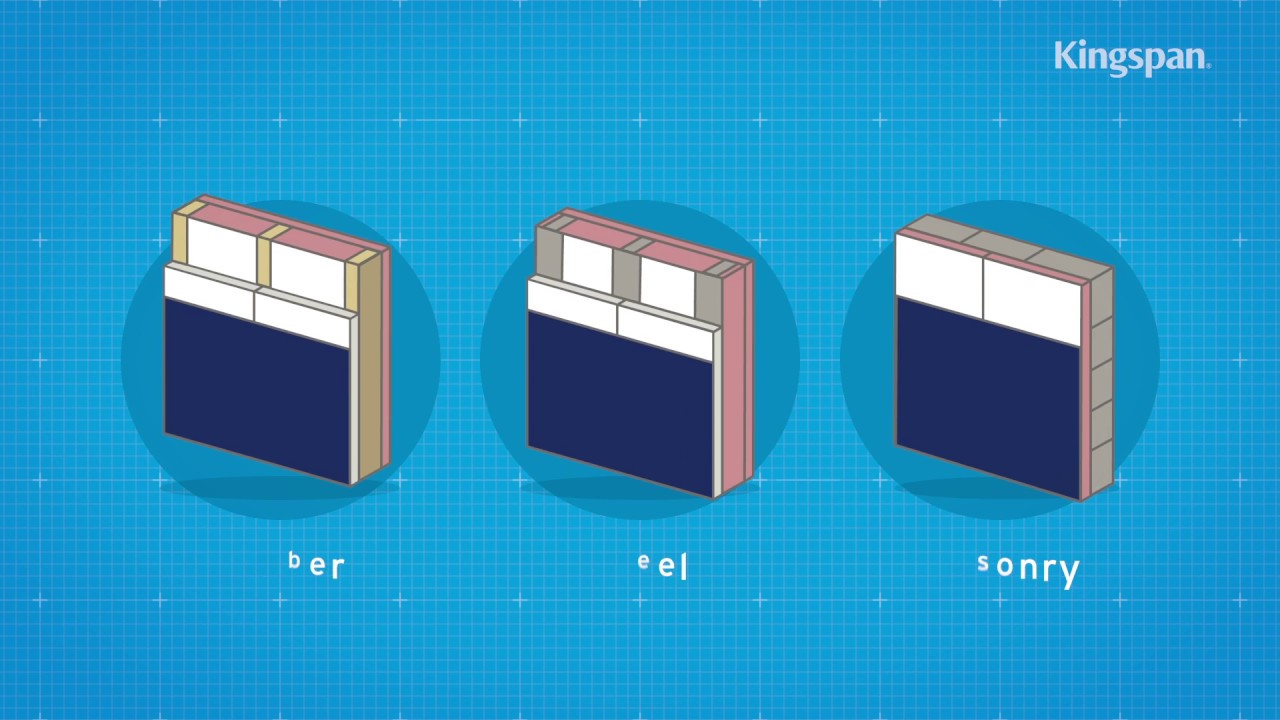
This is where a breather membrane such as nilvent, comes in.

'Breather membranes'

'Breather membranes' are installed to the outer side of the insulation – for example, either over or under the counter-battens on a pitched roof – and allow water vapour to escape from inside a building without the need for ventilation. They also repel any water, most commonly rain, that tries to enter the building. To ensure maximum efficiency, all joints in the membrane should be properly sealed with tape so as to prevent accidental air leakage.

'Vapour control layer'

The warm air inside a heated building will contain a lot of moisture in the form of water vapour, which can condense when it comes into contact with a cold surface within a construction. A 'vapour control layer', or 'VCL', reduces the water vapour transfer through any building and reduces the risk of condensation forming. This is done by installing it on the inner side of the insulation – for example, in a pitched roof, this would sit beneath the layer of insulation that has been installed between the rafters. It is essential that the 'VCL' is continuous and sealed at all laps in order for it to perform correctly.

While often also a membrane – in the form of polythene sheeting – 'VCLs' can come in a number of other forms. For example, Kooltherm K118 Insulated Plasterboard contains an integral 'VCL', which allows for increased thermal efficiency – helping you reach those U-values as well as improving the airtightness of a building.

There are two important differences between a 'breather membrane' and a 'vapour control layer':

  • A 'breather membrane' is positioned on the outer side of the insulation, allowing vapour to escape from inside while repelling any water that tries to enter
  • A 'vapour control layer', positioned on the inner side of the insulation, reduces vapour transfer in a building

However, both products – so long as they are properly installed and sealed – help to minimise the risk of condensation and, in turn, any damage to your home.

  • Related Products

  • nilvent
  • Kooltherm K118 Insulated Plasterboard
  • Related Articles

  • How to Insulate a Pitched Roof at Rafter Level

Start your project with us

Our Membrane Solutions

Find out more about our products
Strong and durable breathable membrane

nilvent

Strong and durable breathable membrane

Talk to Us

What can we help you with?
Click here to request a sample
Stay Updated
Contact us
Kingspan Insulation
Kingspan Technical Insulation
Kingspan Great Britain
Kingspan Insulation
Kingspan Technical Insulation
Legal information
Cookie Policy & Control
Terms & Conditions of Website Use
Website Privacy Notice
Modern Slavery Act Statement
Group Approach to Tax
Gender Pay Gap
Direct Marketing Consent Notice

© 2026 Kingspan Holdings (IRL) Limited, All Rights Reserved