Getting the insulation right on your project, whether it be a home extension or an office block, is essential to ensure it is both fully compliant with the Building Regulations and that it is affordable to heat. However, whilst insulation targets have tightened significantly over the past few years, studies have shown that many new buildings are missing their performance targets. One potential cause for this underperformance is where the insulation product used in the designs is substituted with a worse performing alternative. This can not only cause additional heat losses but also lead to other potentially serious issues including damp and mould growth and non-compliance with Building Regulations for fire safety.
In this article, we look at why it is important to ensure the insulation that is being installed matches the original specification and how to confirm this.
How can substituting insulation affect energy bills?
The fundamental role of any insulation is to stop heat loss. To ensure that the insulation product and thickness they choose will limit heat losses effectively, there are two key measurements that your architect or builder need to know:
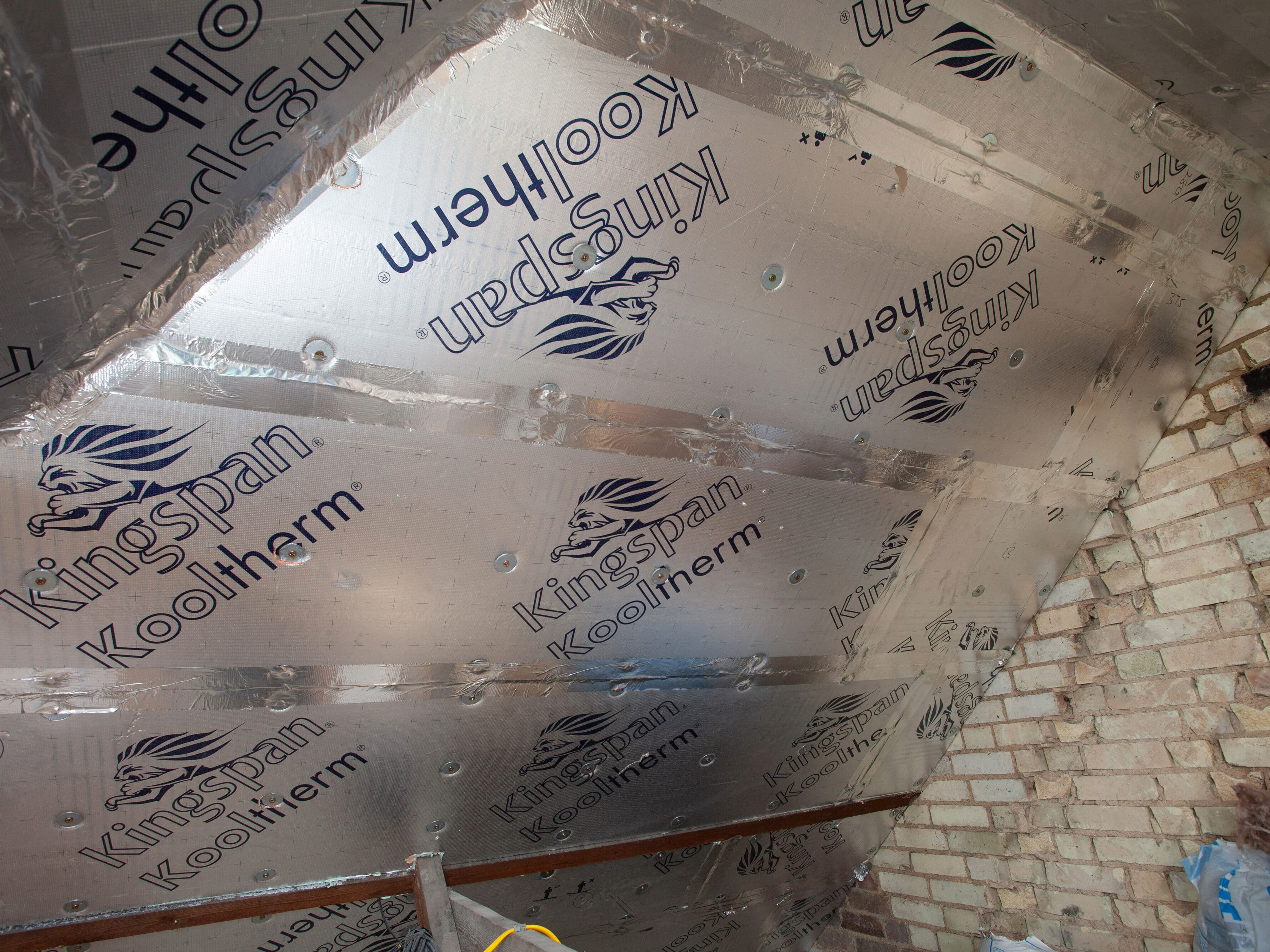
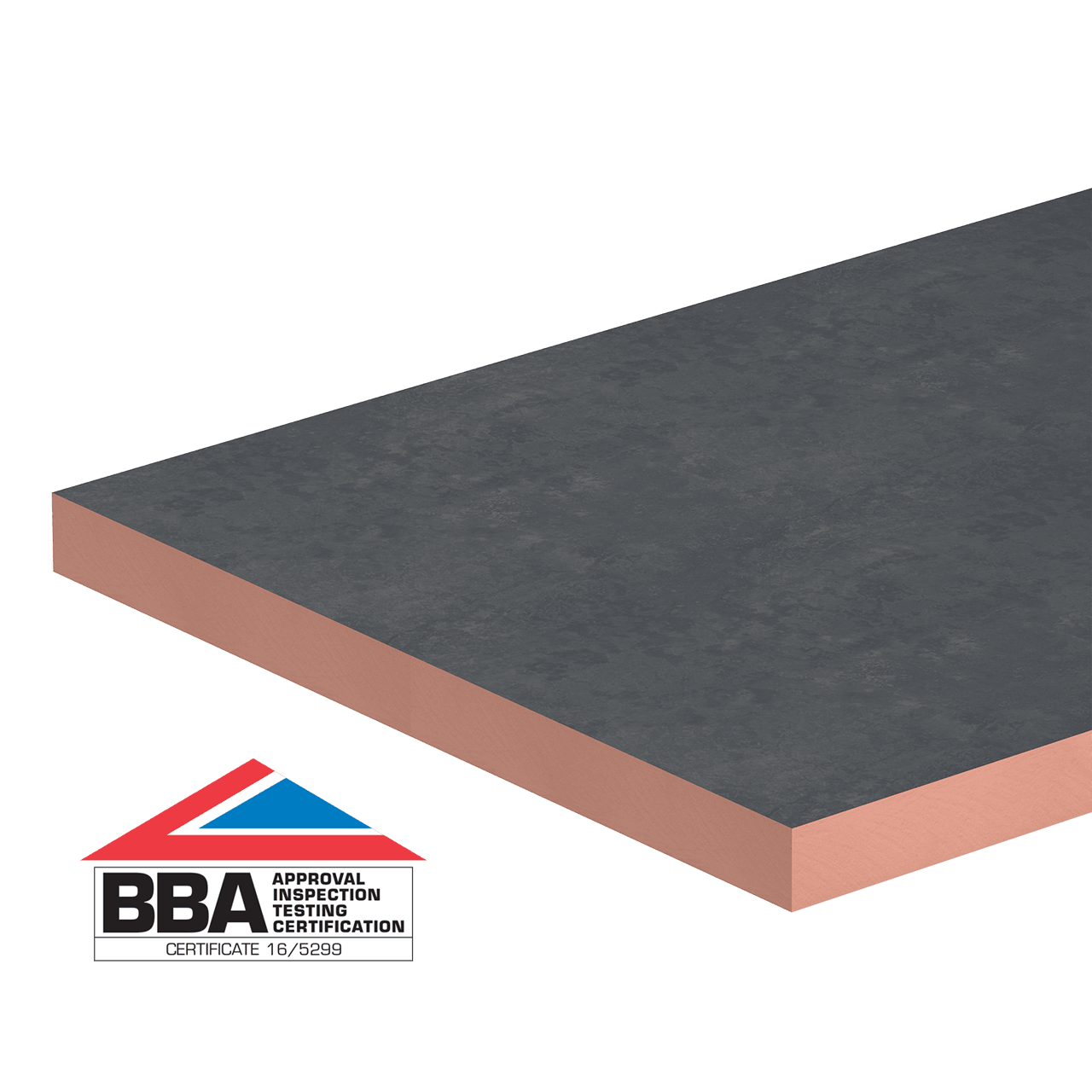
1. Thermal conductivity (also known as lambda value) for the insulation product – this is the measure of how well the insulation product prevents heat loss. The lower this value is, the more effective the insulation is at stopping heat loss. For example, the K-Roc range of mineral fibre insulation has a thermal conductivity as low as 0.034 W/mK, whereas (depending on board thicknesses), the Kooltherm range of phenolic boards has a thermal conductivity as low as 0.019 W/mK, while the Therma range of PIR boards start as low as 0.022 W/mK.
2. The U-value for the wall, floor or roof – this is the measure of how well a complete construction prevents heat loss. For example, for a wall, it is based on the combined thermal properties of the bricks, the insulation, and the plaster. Again, the lower this value is, the better insulated the construction will be.

To ensure that homes and buildings are well insulated, the Building Regulations guidance sets worst-case U-values for the walls, roofs or floors. They also set limits on energy demand and carbon emissions for new builds which means most properties will need to achieve much lower U-values than these worst-case options.
Learn more about the energy requirements in the Building Regulations
To check what is needed to achieve the target U-value at the planning/design stage, architects or builders will typically use a tool like our U-value calculator. This allows them to adjust all the different aspects of the construction (such as the type of blockwork, number of wall ties etc.) to match their plans. They can then select a specific insulation product that is appropriate for the application and calculate the thickness of that insulation that will be needed to meet the desired U-value.
Crucially, the thicknesses are only valid for the product used in the calculation. If this is substituted with a worse performing alternative, it may mean that the overall construction allows more heat losses and achieves a worse U-value. This can notably increase energy bills.

What other issues can substituting insulation cause?
In addition to raising energy bills, substituting one insulation product with another could also lead to other potentially serious issues.
For example, in some cases we have seen contractors combine two or more insulation boards in a single layer. This may happen because the merchant has run out of the original material or simply because they have spare boards or offcuts from another area of your project or another project altogether.
Installers may assume that because certain products look very similar, they are interchangeable. However, these products may have very different performance characteristics which can lead to problems. For example, if certain areas of a wall are insulated with a lower performing insulation than others, they can allow heat to escape more quickly leading to cold spots forming. This can cause condensation to form and potentially lead to damp and mould issues.
Aside from their thermal performance, there are several other aspects of the performance and design of insulation products that can lead to issues when a product is substituted without proper consideration. These include:
Fire performance – all insulation products are given clear ratings for reaction to fire performance. In some applications, the insulation may need to achieve a specific rating to comply with the Building Regulations.
Compressive strength – floor insulation boards may be designed to withstand additional compressive forces than boards used for walls or roofs. If the insulation is not designed to withstand everyday foot traffic, it can compress overtime, reducing its performance. In most cases, Kooltherm K103 Floorboard would be suitable for residential installs as it has a compressive strength of 120 kPa.
Specialist facings – some insulation boards are manufactured with facings which allow them to be used in specific ways.For example, our Kooltherm K106 Cavity Board features a vapour-open polypropylene fleece outer facing which resists moisture penetration. This can allow it to be fitted with a 10 mm residual cavity, rather than the 50 mm which is needed for many other boards.If it is replaced with another insulation materials without changing the cavity width it could potentially lead to damp issues.
These are just a handful of examples of the problems that can occur where insulation is substituted without proper planning. To avoid these problems, it is crucial to ensure what is being installed matches the plans.

How can I check if my installer is fitting the right insulation?
Start by checking what insulation your architect or builder has included within the plans for the project. They should be able to provide the product name and thickness for each separate construction. In some cases, they may have used a “performance specification”. This means that rather than picking out an individual product/products, they will set certain criteria the product must meet such as a specific thermal conductivity.
Once you have confirmed the specification, check with your installer what they are fitting. Some installers may use a brand/company name to cover a wide variety of different products (e.g. using “Kingspan” to mean all rigid insulation boards) so it is important to confirm the specific products and thicknesses being fitted match those in your plans.
In some cases, there may be a good reason for products having to be replaced – such as a lack of stock at the local builder’s merchants. Where this happens, it is important to confirm that the product that has been substituted in performs at least as well as the original and that it is suitable for the application.
By taking the time to double check the insulation being fitted on your project matches the specification and is being fitted correctly, you can have confidence that your building will retain heat as intended once built and avoid a range of potential problems.