8 Things to Check Before Fitting Pitched Roof Insulation
Adding insulation in your loft can be a great way to cut your heating bills and keep your home at a more comfortable temperature all year around. Before you go to the time and expense of fitting new insulation, however, it’s important to check that the roof is in good condition. This should help to avoid costly roof repairs and means that the insulation performs well for years to come.
In this article, we discuss 10 of the most common issues found in pitched roofs, and what to do if you spot them in yours.
1. Damage to timbers
A good place to start when looking at your roof is by giving all of the internal timbers a careful check. This means both the rafters (which run beneath your roof tiles) and the joists (which run above the ceiling of the room below). This may involve raising any existing insulation and pulling back any felt which has been tacked below the rafters.
The first concern is any signs of moisture damage to the timbers. Along with timbers that are wet to the touch, you should also keep an eye out for any staining on the wood, or areas that crumble when you touch them. There are a number of potential causes for this damage (discussed in the rest of this article), but if damage is present then it is important to get it looked at by a professional to check if any of the wood needs replacing (and to diagnose the cause).
You should also be on the lookout for any sections of wood which are dotted with tiny holes. These indicate that the timber has been attacked by small insects. There are a variety of products available to help kill these insects and protect the timbers to ensure the damage doesn’t spread further. Again, if you find this damage, it is a good idea to get a roofer to check if any timbers need fully replacing.
2. Poor ventilation
One of the most common problems that can crop up in lofts is condensation forming due to poor ventilation. Some of the warm, moist air that forms in your home from daily activities (including cooking, showering and even breathing) will rise up into the loft space. If this has no means of escape, it will cool and form condensation which can damage the roof timbers. To prevent this, most pitched roofs are designed with gaps at the eaves on either side of the roof. These draw fresh air into the loft space and force the warm, moist air out through ridge vents and the opposing eaves.
In many cases, these eaves can become blocked – typically due to items being stored in front of them, or from old insulation installations. If you can see droplets of water on your rafters or roof felt, start by clearing out any objects located around the eaves. Next check the insulation in these areas – any wet insulation will need to be removed. Vent panels are available from most builders merchants which can be fixed at the eaves between the rafters to maintain proper ventilation.
3. Missing, damaged or displaced tiles
Roof tiles can easily get damaged or dislodged by high winds or falling branches. This can create gaps which allow water to leak into your roof. You can usually see if you have slipped or broken tiles by taking a look at your roof from the ground or on a step ladder. You may also be able to spot any big gaps by checking for any areas where a lot of daylight is visible from inside your loft. Any damaged or slipped tiles will need to be replaced.
4. Flashings
Flashings are thin strips of material (typically soft metal or rubber) that are fitted at the joint between your roof tiles and the chimney. These can come away from tiles over time, creating small gaps for water to penetrate into your roof. The most obvious sign of a flashings issue is areas of wet brickwork on the section of chimney breast within your loft. In some cases, it may be possible for a roofer to repair the existing flashings or they may recommend a full replacement.
5. Ridge and chimney pointing
On older roofs, a cement mortar (pointing) is applied at all the joints between and around the ridge tiles (which run along the apex of the roof) to make them weathertight. The brickwork in your chimney will also be pointed. This mortar will deteriorate over time, either through weathering or through plants finding a home on your roof. Where this happens, the mortar will need to be chiselled out and replaced. If you are not sure when your chimney and roof was last pointed, it’s worth getting a roofer to give it an inspection.
6. Guttering
Leaves, moss, sticks and other debris will gather in your gutter over time. If not cleared on a fairly regular basis, this can cause water to overflow, rotting the adjoining timber and eventually entering your home. In some cases, the joints between guttering can also come away, causing them to leak or the gutter itself may not have been correctly fitted to fall to the outlet for the downpipe (which should be the lowest point on the run).
Any issues will be obvious when it is raining as you will see water dripping or overflowing down the side of your home. If it is dry, then you can usually easily identify these areas by looking for staining or areas of moss growth on the joints between guttering sections.
These issues can usually be addressed by clearing the guttering and ensuring the joints are tightly pushed together. You can then run water through a hose to confirm there is no further sign of leaks.
7. Damaged bargeboards/fascias
The bargeboards (also known as fascias) around the gable of the roof on pre-1960s properties will typically be wooden. These need to be repainted every few years to protect the wood from the elements. If the timbers become exposed, the boards can eventually rot.
You can usually see the condition of the boards with a quick visual inspection from the ground. If the paint has flaked or bubbled, they will need to be stripped and repainted. Alternatively, if the wood is in good condition, you can choose to have a capping board fitted over the original timber. Capping boards are typically made from metal or plastic and provide a more long-lasting solution which will not need regular painting.
8. Gaps in the party wall
In terraced and semi-detached homes, it is not uncommon to find small gaps in the wall between the two properties in the loft space (typically directly around the level of the rafters). In the event of the fire, this can allow smoke or flames to more easily enter your home so it is a really good idea to ensure these areas are sealed up.
Old insulation
Finally, when laying new loft lagging, there will often already be at least one layer of insulation that has been fitted. In some cases, it may be possible to “top this up” by laying new insulation over the top of this. Before doing this, however, it is a good idea to check the existing insulation is dry and is in a good state. If in doubt, it is better to strip out this insulation and lay fresh, rather than hiding potential issues.
Fitting the insulation!
Once you are sure that your roof is in good condition, you can get ready to have the insulation fitted. We have a number of helpful articles which provide tips when picking insulation for your roof, and guidance when installing it.
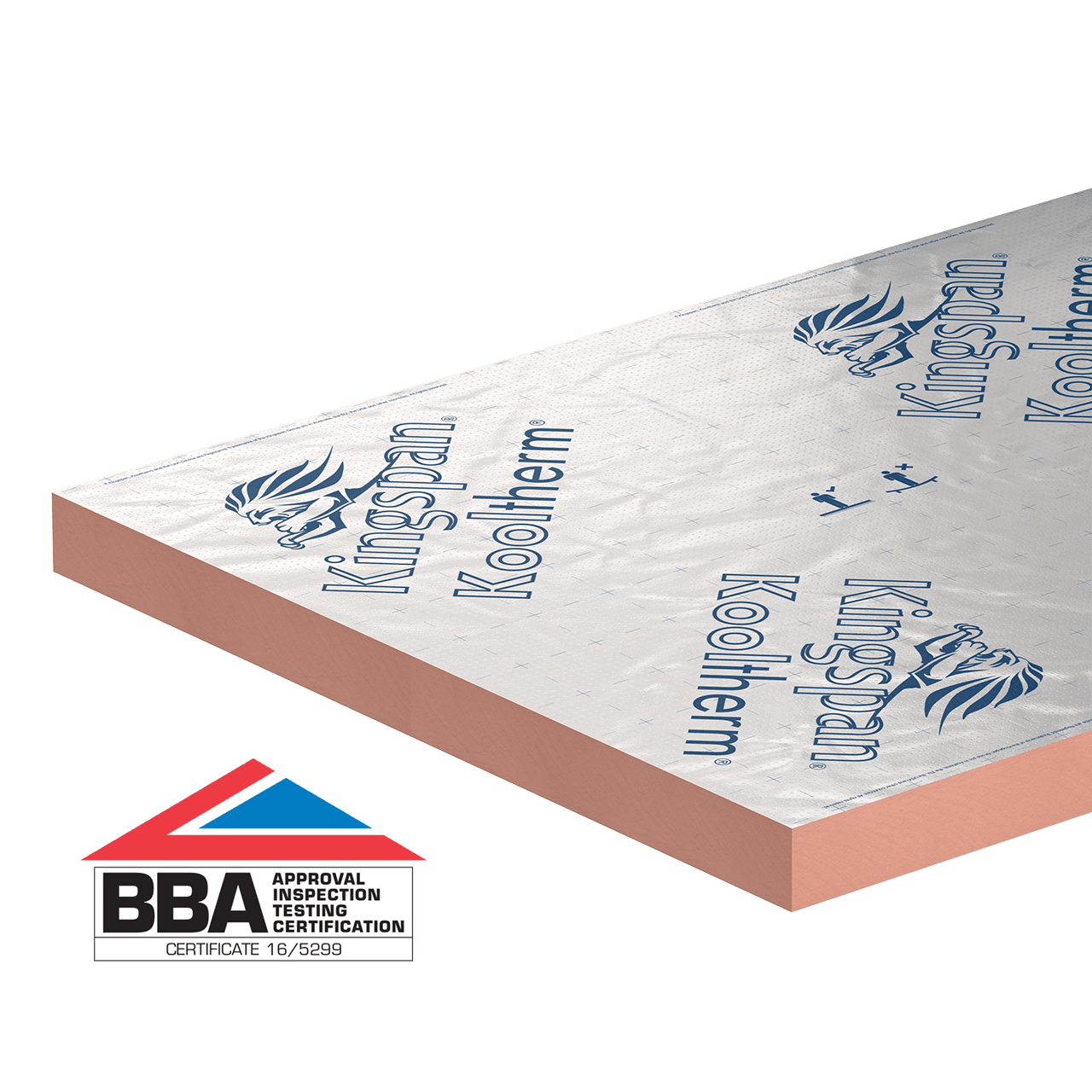
Kingspan Insulation offer a range of solutions for your pitched roof or loft, including between and over rafter insulation boards and insulated plasterboard for under the rafters. Find out more here.