1. Home
  2. How to Insulate a Loft Conversion

How to Insulate a Loft Conversion

  • Sector
  • Residential
  • Date Published
  • last Updated
  • Products
  • Kooltherm K107 Pitched Roof Board
  • Kooltherm K118 Insulated Plasterboard
A construction worker placing an insulation board on a pitched roof

As well as adding an extra room to the house, a well-insulated conversion may also provide savings by reducing energy bills. A better-insulated loft area may result in a better EPC rating of the property, potentially adding more to the value of a house.

One of the key factors to consider when planning and carrying out a loft conversion is how it is to be insulated and what type of insulation to use as this can have a major impact on the living space available when the conversion is completed. When refurbishing an attic or loft space there is a requirement to comply with the appropriate Building Regulations / Standards for the location of the building.

Take a look at our Building Regulations / Standards pages to find out what U-values are needed for your project, depending on it's location and type of building work.

To achieve the required level of insulation without impacting greatly on the living space available, by either reducing the headroom or floor space, it is important to choose insulation that gives the best possible U-value for the minimum thickness. If you want to see what thickness of insulation achieves your required U-value, visit our online U-value calculator and select pitched roofs.

To insulate a pitched roof for a loft conversion there are two main methods that we would recommend.

Existing roofs and shared roofs

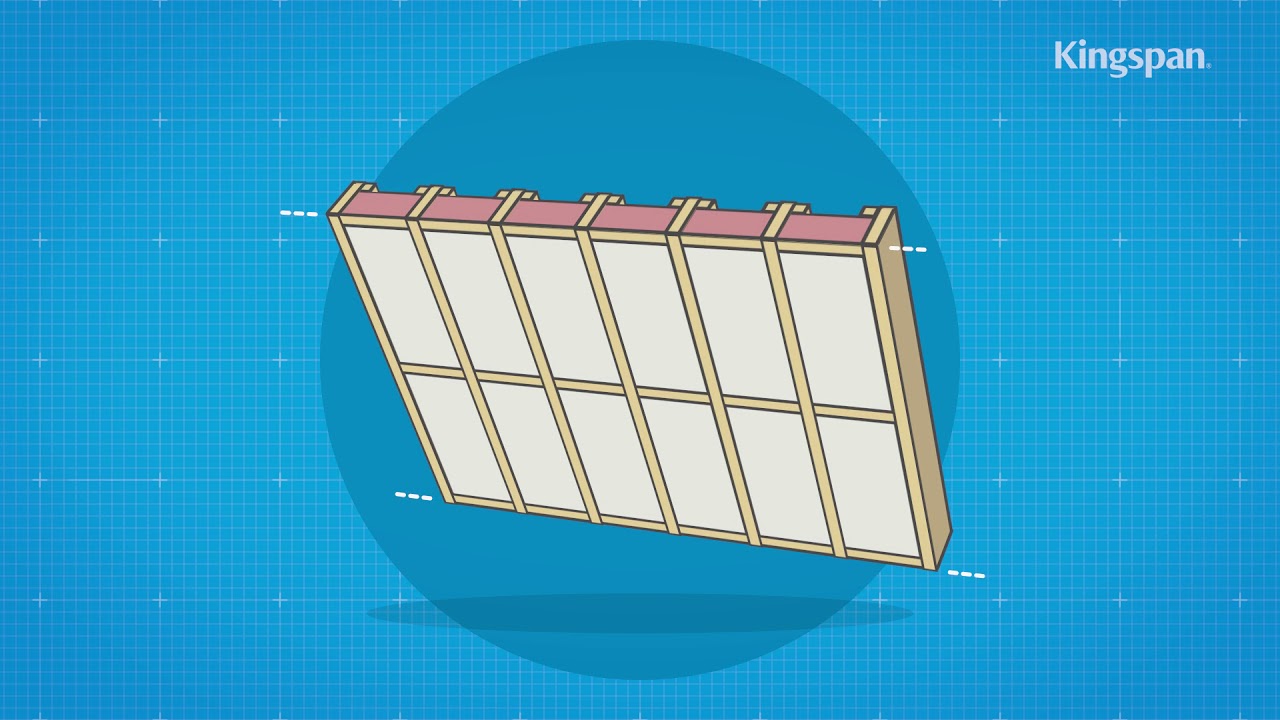
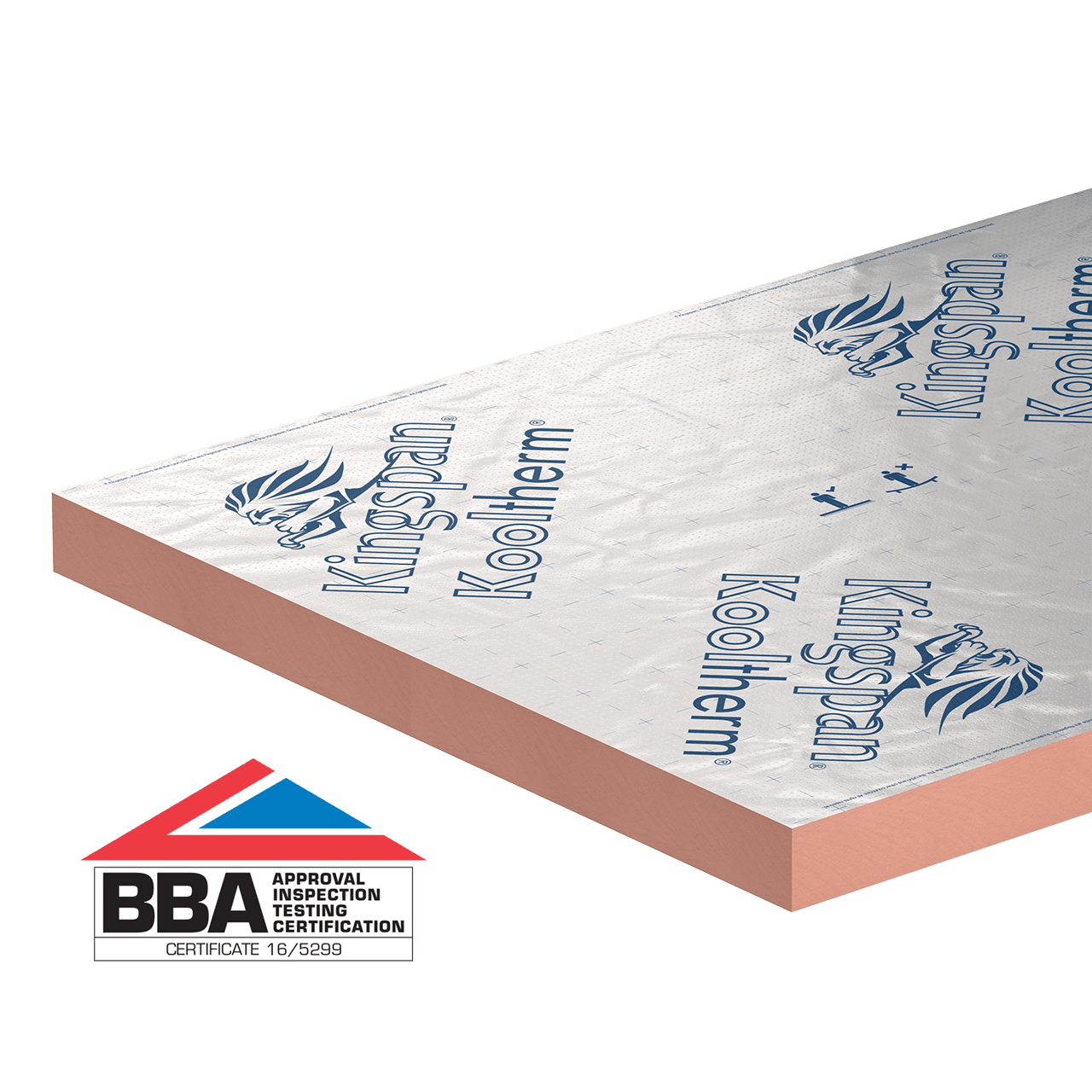
For houses with shared roofs and where the roof covering is not being replaced, we suggest insulating between and under the rafters. This means putting a layer of insulation like Kooltherm K107 Pitched Roof Board, between the rafters and a second layer, usually insulated plasterboard like Kooltherm K118 Insulated Plasterboard, fixed beneath the rafters, which helps to reduce thermal bridging.

This construction method is called a cold roof, as the rafters are not part of the warm insulated part of the structure. When adding the insulation between the rafters there should be a 50 mm ventilation gap above the insulation, between the insulation and the sarking felt. The insulation should be level with the bottom of the rafters. Then the insulated plasterboard should be fixed underneath this.

Dwarf walls

If there are any dwarf walls within the loft then these should also be insulated with a framing board such as Kooltherm K107 Pitched Roof Board between the timber studs and on the floor behind the dwarf wall, from the wall up to the edge of the roof in order to create a complete continuous insulation layer around the space.

Insulated plasterboard such as Kooltherm K118 Insulated Plasterboard may be fitted to the inner face of the wall. This insulation will help to provide a continuous layer of insulation around the space, preventing unnecessary heat loss.

Re-roofing a detached property

If you are re-roofing a detached property, then we suggest the best method would be to insulate ‘between and over’. This involves fixing insulation between the rafters and above the rafters.

This is called a warm roof as the majority of the insulation is above the timbers of the roof so the roofing timbers are insulated and therefore warm. A layer of insulation like Kooltherm K107 Pitched Roof Board would be placed above the rafters and the second layer of Kooltherm K107 between the rafters. One advantage of this is that it gives more headroom within the loft conversion. This method is only suitable when all the roofing is being completely removed as it requires access above the rafters.

  • Related Products

  • Kooltherm K107 Pitched Roof Board
  • Kooltherm K118 Insulated Plasterboard
  • Related Articles

  • How to Insulate a Pitched Roof at Rafter Level
  • Can I Just Insulate Between the Rafters?
  • What is the Difference Between a Warm Pitched Roof and a Cold Pitched Roof?

Kooltherm K107 Pitched Roof Board

Download the brochure
Download PDF

Discover More

Pretty Cotswold cottage in snow, Broadway, Worcestershire, England.

What is the Difference Between a Warm Pitched Roof and a Cold Pitched Roof?

Read about the difference between warm pitched roofs and cold pitched roofs

Knowledge Article4 min read
How To Insulate A Loft Conversion Article 4:3

Can I Just Insulate Between the Rafters?

We will be looking at insulating pitched roofs and why insulation just between rafters isn’t viable

Knowledge Article4 min read
How To Mount A TV On Insulated Plasterboard 16:9

How to Mount a TV on Insulated Plasterboard

Hangin a TV to the wall? With heavier loads, you don’t fix to insulated plasterboard, but through it

Knowledge Article4 min read
How To Insulate A Loft Conversion Article 4:3

How to Insulate a Pitched Roof at Rafter Level

When insulating a pitched roof at rafter level there are many considerations to look at

Knowledge Article5 min read

Start your project with us

Our Insulation Solutions

Find out more about our products
Premium performance pitched roof insulation board
Featured

Kooltherm K107 Pitched Roof Board

Premium performance pitched roof insulation board

Premium performance internal wall insulation
Featured

Kooltherm K118 Insulated Plasterboard

Premium performance internal wall insulation

Talk to Us

What can we help you with?
Click here to request a sample
Stay Updated
BACK TO TOP
Contact us
Kingspan Insulation
Kingspan Technical Insulation
Kingspan Great Britain
Kingspan Insulation
Kingspan Technical Insulation
Legal information
Cookie Policy & Control
Terms & Conditions of Website Use
Website Privacy Notice
Modern Slavery Act Statement
Group Approach to Tax
Gender Pay Gap
Direct Marketing Consent Notice

© 2026 Kingspan Holdings (IRL) Limited, All Rights Reserved